UV-protected sunglasses are essential for maintaining eye health and protecting your eyes from the long-term damage caused by ultraviolet (UV) rays. Even though most of the time, they are used as fashion accessories, their primary role is to keep your eyes safe from harmful UVA and UVB rays, which, over time, can harm your eyes. Therefore, protecting your eyes should always be at the top of your priority list because UV rays are always present on sunny, cloudy and even snowy days.
How can UV rays affect your eyes?
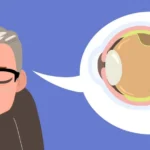
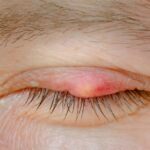
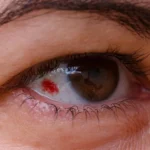
UV radiation (specifically the UVA and UVB rays) can harm different parts of the eyes, for instance, the lens, cornea or retina. When exposure time is long, the risk of developing eye conditions such as cataracts, macular degeneration and photokeratitis (sunburn of the eyes) is increased.
Moreover, UV rays not only affect your eyes but also the sensitive skin around your eyes, which can cause wrinkles, sunspots and in a very serious case, skin cancer. Because UV rays can go through the clouds and bounce off surfaces like water, sand and snow, it is advisable to wear eye protection every day and even during the winter.
How sunglasses help protect your eyes from UV rays?
UV protection sunglasses act as a shield between your eyes and the harmful UV rays. These sunglasses with UV protection are made of high-quality lenses that are able to block 100% UV radiation, helping to reduce the risk of long-term eye damage.
Moreover, these sunglasses also protect the skin around your eyes by covering the larger area around the eyes and limiting the exposure. In places with a lot of glares, such as when driving or at the beach, polarised sunglasses make the eyes less strained because the reflected light can be filtered out.
Tips for choosing the right sunglasses
Not all sunglasses are of the same quality. Thus, when choosing your next pair, it really pays off to take a look at what to expect and what you might get by having them:
1. 100% UVA/B protection: Always choose sunglasses that can block 100% of UVA and UVB rays. This is the most important feature to check upon as it directly shields your eyes from harmful ultraviolet radiation. At Feel Good Contacts, all the sunglasses offer 100% UVA and UVB protection, perfect for protecting your eyes from harmful sun radiation.
2. Check UV protection levels: You should look for sunglasses that are in line with the International Standard of ISO 12312-1:2013 (en). It is important to check the UV certification because the amount of UV protection that a pair of sunglasses can offer varies from one pair to another. This way, you can ensure verified safety from UV exposure.
3. Polarised lenses: Although they don’t increase UV protection, these polarised lenses can make the wearer see clearly and comfortably by reducing the reflection and increasing visibility. These features make them ideal for driving and other outdoor activities.
4. Lens colour: Dark lenses don’t necessarily offer more protection. They may not have enough UV protection and without proper UV filtration, they may cause pupils to dilate, letting in more harmful rays. Regardless of the lens colour, make sure to check that the lenses meet recognised UV safety standards.
5. Tinted lenses: Even though tinted lenses will not change the UV protection level, putting on a colored tint can make your eyes see clear by filtering out the light that reflects on the area you are looking at. They can improve contrast and enhance depth awareness, too.
6. Wraparound sunglasses: Wraparound sunglasses are best to use if you need extra protection. Additionally, if you’re going for a skiing trip during the summer, they are the best pick for full coverage and eye protection.
7. Corrective lenses/Prescription sunglasses: If you need prescription sunglasses, you’ll need a valid, up-to-date prescription from your optician or ophthalmologist. If you don’t have one, book an appointment for an in-person eye test before you buy. You can arrange this eye test online, but the test itself must be done face-to-face.
Benefits of wearing UV-protective sunglasses
- Wearing UV protection while outdoors will help protect your eyes from prolonged UV exposure.
- Sunglasses can help prevent the development of severe eye disease like cataracts, macular degeneration and other eye diseases in the long run.
- They cut down the glare, helping improve your eyesight and make the bright light more comfortable for your eyes.
- Wearing sunglasses will minimise squinting, which in essence reduces the chances of headaches, eye fatigue and eye strain during your day.
- Sunglasses also protect the sensitive skin around your eyes, which is the main reason for ageing, wrinkles and fine lines.
Tips to protect your eyes from the sun
To protect your eyes from the sun, we’ve compiled a few helpful tips you can follow:
- Wearing sunglasses is the best way to protect your eyes from harmful UV radiation. They reduce the reflection coming from different surfaces, giving you better vision and greater comfort.
- Always check whether your sunglasses and contact lenses have UV filters. This creates a barrier between your eyes and the harmful UV rays. These sunnies also help on a cloudy day by blocking those harmful rays that damage your eyes over time.
- Consider using eye shields. They can protect your eyes from the sunlight that enters from the sides and the top of your face. Sunglasses are also good for people with sensitive eyes and those who are always out in the sun.
- When you are near water, sand or snow, make sure to be extremely careful because these surfaces reflect the sun’s rays into your eyes. While doing outdoor activities, these sunglasses offer extra protection with the right UV filters.
- For extra protection for your eyes, put on a wide-brimmed hat. The hat will provide extra shade and protection for your eyes.
Therefore, sunglasses are not only a fashionable accessory, but they are also an important tool for the protection of your eyes against UV radiation. Wear UV-protected sunglasses every day, even when it is not summer. It is recommended to get your eyes tested every two years to help you monitor your eye health.
Frequently Asked Questions
Do all sunglasses block UV rays?
No, not all sunglasses block UV rays. Look for a UKCA marking on the label which states that the sunglasses are 100% UV protected or read the description. If you’re still unsure, your optician can quickly check them with a UV light tester.
What distinguishes UVA and UVB?
UVA rays penetrate deeper into the eyes while UVB rays affect the surface and can cause more intense damage.
Does UV protection diminish over time?
No, UV protection cannot diminish over time. Rather, scratches on the lenses or any lens damage can reduce the overall effectiveness of the sunglasses.
How often do you replace UV sunglasses?
The right time to replace UV sunglasses depends on your needs and their wear and tear. Once your lenses become scratched or damaged, replace them right away with a new pair for clearer vision.


Khuram Sarwar is a qualified Dispensing Optician at Feel Good Contacts. He holds over 14 years of experience in the optical industry. Registered with the General Optical Council (GOC), Mr. Sarwar is also a member of the Association of British Dispensing Opticians (ABDO). He completed his training at ABDO College before achieving a BSc (Hons) in Ophthalmic Dispensing from Canterbury Christ Church University. In his professional career, Khuram has worked with some of the industry’s leading experts and continues to offer practical, expert advice on both contact lenses and glasses.