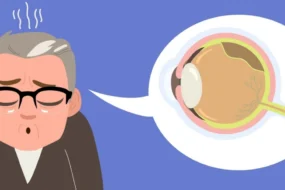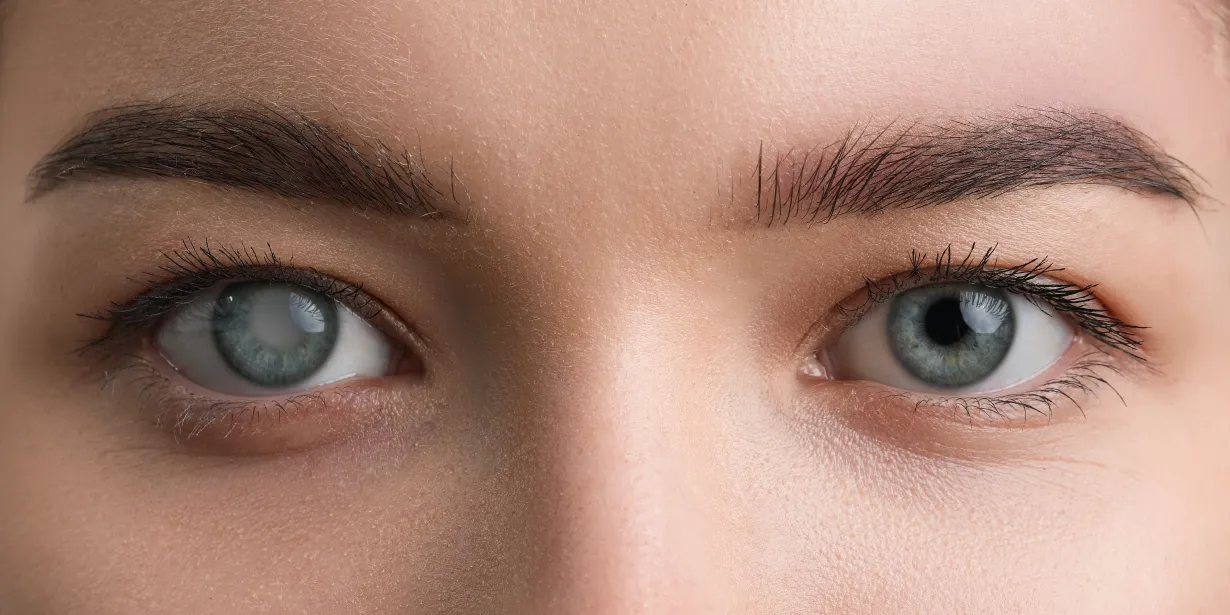
Glaucoma is an eye condition that damages the optic nerve, often leading to vision loss and in some cases, even blindness. Since the condition develops slowly and without obvious symptoms, many people do not realise their vision is changing until the condition becomes severe. So, regular eye examinations are essential to help detect glaucoma early. Let’s learn more about glaucoma causes, types, symptoms and treatment.
Common Glaucoma Types
There are several glaucoma types, depending on how the eye’s drainage system is affected, such as:
1. Primary Open-Angle Glaucoma
It is the most common type of glaucoma that occurs when fluid drains too slowly from the eye. Primary open-angle glaucoma causes the pressure to build up gradually, causing slow optic nerve damage.
2. Primary Angle-closure Glaucoma
It is a serious form of glaucoma, wherein the eye’s drainage angle is blocked because the iris prevents fluid from draining properly. This type of glaucoma causes a rapid rise in eye pressure and can lead to blindness if not treated quickly.
3. Secondary Glaucoma
Secondary glaucoma occurs when an underlying medical condition or trauma causes increased eye pressure and damages the optic nerve. The causes of secondary glaucoma include eye injuries, uveitis, certain medications, eye surgery or certain eye diseases.
4. Primary Congenital Glaucoma
This rare form of glaucoma is present from birth and results from the abnormal development of the eye’s drainage system. Babies may show symptoms such as watery eyes, sensitivity to light or enlarged eyes.
Although these glaucoma types develop in different ways, they can damage the optic nerve if left untreated.
Glaucoma Causes
Glaucoma occurs when the aqueous humour, the natural fluid in the eye, does not drain properly through the gap between the iris and the cornea. This causes fluid to accumulate in the eye and raise intraocular pressure (IOP), which can gradually damage the optic nerve and lead to vision loss.
Common Glaucoma Symptoms
The first symptoms of glaucoma are often mild and difficult to detect. However, as glaucoma progresses, the following symptoms may appear:
- Gradual loss of peripheral vision
- Headaches
- Pressure or pain in the eyes
- Blurred vision
- Difficulty seeing in low light
- Nausea and vomiting
- Tunnel vision may develop as the field of sight narrows
Because early symptoms are often subtle, it is important to have regular eye examinations to detect anything suspicious early.
Who is at Higher Risk of Glaucoma?
Glaucoma can affect anyone, but there are certain individuals who are at a higher risk of developing it. Those who:
- are over 40 years old
- have a family history of glaucoma
- are of African, Caribbean or Asian descent
- have diabetes or high blood pressure
- are very short-sighted or long-sighted
- have had an eye injury or surgery
- have been using steroid medication for long time
How is Glaucoma Diagnosed?
Glaucoma can be diagnosed during a routine eye exam. Your optician will assess both your vision and the internal structure of your eye to identify the glaucoma types and assess any damage. Key diagnostic tests for glaucoma include:
1. Optic Nerve Assessment
During this assessment, the optic nerve is photographed using a highly sensitive retinal camera. These images serve as a baseline to monitor changes in the optic nerve over time.
2. Visual Field Test (perimetry)
This test evaluates both central and peripheral vision to help detect and monitor glaucoma. During the test, your eyes are exposed to a series of light spots to check which spots you are able to see. Missing any spots may indicate areas of vision loss caused by glaucoma.
3. Eye Pressure Test (tonometry)
The eye pressure test is conducted using an instrument called tonometer, which measures the pressure inside your eye (IOP).
4. OCT Scan
Optical Coherence Tomography (OCT) creates detailed images of the optic nerve and retina, helping detect very early structural changes. It produces a 3-D-like image of the eye’s internal structure. Your optician will then monitor and record changes over time.
Treatments for Glaucoma
There is currently no cure for glaucoma. It can only be managed effectively when detected early. However, certain treatments for glaucoma can help prevent further damage. Treatments may vary depending on the type and stage of glaucoma.
– Medicated eye drops to lower IOP
– Laser treatment to improve fluid drainage
– Surgery for more severe cases
– Regular monitoring to track progress
Frequently Asked Questions
Can glaucoma be cured?
Unfortunately, there is no cure for glaucoma. However, treatment can control the condition and prevent further vision loss.
Is glaucoma hereditary?
Yes, genetics can be one of the causes of glaucoma and having a first-degree relative (parent, sibling or child) with the condition can increase the risk of developing it by 4 to 10 times.
Can glaucoma cause blindness?
Yes, untreated or poorly managed glaucoma can lead to permanent blindness because it damages the optic nerve.
How do you prevent glaucoma?
Glaucoma cannot always be prevented. However, regular eye examinations, early diagnosis and proper management can help detect it early and reduce the chance of vision loss.
Disclaimer: The advice in this article is for informational purposes only and does not replace medical care or an in-person check-up. Please check with an eyecare professional before purchasing any products or remedies. For information on our article review process, please refer to our Editorial Policy.


Khuram Sarwar is a qualified Dispensing Optician at Feel Good Contacts. He holds over 14 years of experience in the optical industry. Registered with the General Optical Council (GOC), Mr. Sarwar is also a member of the Association of British Dispensing Opticians (ABDO). He completed his training at ABDO College before achieving a BSc (Hons) in Ophthalmic Dispensing from Canterbury Christ Church University. In his professional career, Khuram has worked with some of the industry’s leading experts and continues to offer practical, expert advice on both contact lenses and glasses.