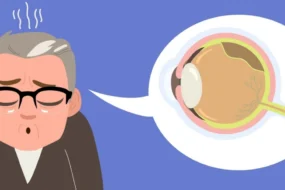
Dry eye is a common eye condition where the eyes fail to produce enough tears or the right quality of tears to maintain a healthy and comfortable ocular surface. Tears are crucial for maintaining the health of the cornea (front surface of the eye), providing nourishment and ensuring clear vision. When tear production is insufficient, the tears evaporate too quickly or tears do not flow evenly over the ocular surface, it leads to irritation, redness and discomfort.
How Tears Protect the Eyes?
Tears form a protective coating over the surface of the eye that helps reduce irritation, defend against environmental factors and maintain clear vision. For this protective system to work effectively, tears have a layered structure, that allows the function of cleansing and shielding the ocular surface of the eye. This protective coating is known as the tear film.
The tear film consists of three layers that surround the surface of the eye;
- Lipid layer – outermost layer, produced by meibomian glands which are located on the eyelids. It stops tears from evaporating too quickly and increases lubrication.
- Aqueous layer – middle layer, consisting of water, vitamins and minerals. It nourishes the ocular surface and removes any debris.
- Mucus layer – inner most layer to the eye, it helps to maintain moisture of the aqueous layer and bind to the cornea, stabilizing the tear film.
Dry Eyes Causes
There are several factors that can contribute to the dry eye condition. In many cases, more than one of the following causes may be involved.
Environmental Factors
Exposure to wind, smoke, harsh chemicals or dry air can cause tears to evaporate quickly, leading to dryness in the eyes. This is common in air-conditioned offices or during the winter months when the heating is on. Some allergies from air-borne allergens such as pollen, mold or pet dander can also aggravate dry eye symptoms.
Prolonged Screen Time
With the rise of digital technology, people spend more time staring at screens than before. They blink less frequently when using computers or smartphones, which decreases tear production and leads to dry eyes.
Aging
As we age, our tear production naturally decreases. According to the National Health Service, dry eyes are more prevalent in individuals over 50 years of age due to changes in tear glands and eyelid function.
Medical Conditions and Medications
Certain chronic autoimmune diseases like Sjogren’s syndrome and rheumatoid arthritis and other medical conditions including thyroid disorders and vitamin A deficiency can contribute to dry eyes. Additionally, medications such as antihistamines, decongestants, antidepressants and blood pressure medicine can reduce tear production. Ophthalmic surgery such as LASIK and cataract surgery also contributes to dry eye symptoms. Certain skin conditions such as eczema and ocular rosacea are also linked to dry eyes.
Contact Lens Use
While contact lenses help provide clarity, convenience and aesthetic benefits, when used for more than the recommended hours, they can also exacerbate dry eyes. They absorb moisture from the eyes due to prolonged use, leading to eye irritation and redness. Other factors of contact lens use that can contribute to dry eyes includes; ill-fitting lenses, low quality lenses, wearing lenses past its replacement schedule, contact lens solution causing irritation.
Dry Eye Condition Symptoms
Dry eye symptoms can develop gradually and may vary in severity. While some people experience occasional discomfort, others may have persistent symptoms that affect vision and comfort, such as:
1. Burning or stinging sensation
A common symptom is burning, stinging, gritty or itchy eyes, often described as having something stuck in the eye.
2. Redness and irritation
The eyes may appear red or inflamed, particularly after screen use or exposure to dry air.
3. Sensitivity to light
Increased sensitivity to bright light can occur, making outdoor activities or screen use uncomfortable.
4. Blurred vision
Vision may become temporarily blurred, especially during prolonged visual tasks. Blinking often provides short-term relief.
5. Excessive watering
Although it may seem contradictory, watery eyes can occur as a reflex response when the eyes are irritated and lack proper lubrication.
6. Eye fatigue
People with this condition often experience tired or heavy eyes, particularly at the end of the day or after extended periods of concentration.
Dry Eyes Treatment
Options for effective dry eye treatment depend on the cause and severity of the condition. In many cases, symptoms can be relieved through simple home remedies for dry eyes. You can also adopt the following optician-recommended measures:
1. Lubricating Eye Drops
Artificial tears or lubricating drops can help replace the lost moisture and improve comfort. Preservative-free drops are often recommended for regular use, as they are less likely to cause irritation with long-term application.
2. Lifestyle and Screen Habits
Taking regular breaks during screen use and eye exercises can reduce eye strain. The 20-20-20 rule, which involves looking at something 20 feet away for 20 seconds every 20 minutes, is commonly advised for avid screen users. Smoking and drinking alcohol can also contribute to dry eyes. By quitting smoking and reducing alcohol intake, the function of the tear film can be restored.
3. Environmental Adjustments
Reducing exposure to direct airflow from fans, heaters or air conditioning units may help. Using a humidifier indoors can also improve air moisture levels, particularly during winter months.
4. Contact Lens Changes
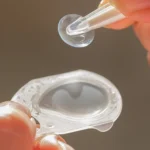
Switching to daily disposable lenses with high water content or those that can retain moisture, such as scleral lenses can improve comfort. An optician can advise on suitable lens options based on your individual needs.
5. Diet and Hydration
Adequate hydration supports overall eye health. Omega-3 fatty acids (found in oily fish such as salmon and sardines) may help improve tear quality.
6. Warm Compresses
Applying a warm compress to closed eyelids can help support healthy oil glands, which play a good role in reducing tear evaporation.
When to Seek Professional Advice?
If symptoms persist, it is important to consult an optician or your trusted eye care professional. A thorough eye examination can help identify the cause and determine appropriate treatment. In some cases, ongoing dry eyes may be associated with underlying medical conditions, making professional assessment essential.
Frequently Asked Questions
Can dry eyes cause blurry vision?
Yes, dry eyes can cause blurry vision. When the tear film production is unstable or insufficient, the ocular surface of the eye becomes uneven, which can affect vision clarity.
Is this condition permanent?
It can be temporary or long-term, depending on the cause. Many people find relief with proper management and lifestyle changes.
Can screen use make symptoms worse?
Yes, prolonged screen time can reduce blinking and worsen symptoms, especially without regular breaks.
Disclaimer: The advice in this article is for informational purposes only and does not replace medical care or an in-person check-up. Please check with an eyecare professional before purchasing any products or remedies. For information on our article review process, please refer to our Editorial Policy.


Having graduated from City and Islington College in 2016, Krina Halai is a certified Dispensing Optician working with Feel Good Contacts. With 13 years of experience in the optical field, she has worked in multiple practices, including Boots and Specsavers, performed paediatric dispensing, supervised and trained future optical professionals and triaged patients for numerous spectacle fittings, repairs and adjustments. She has also taken an online course on myopia control and helped many children prevent their myopia from progressing.