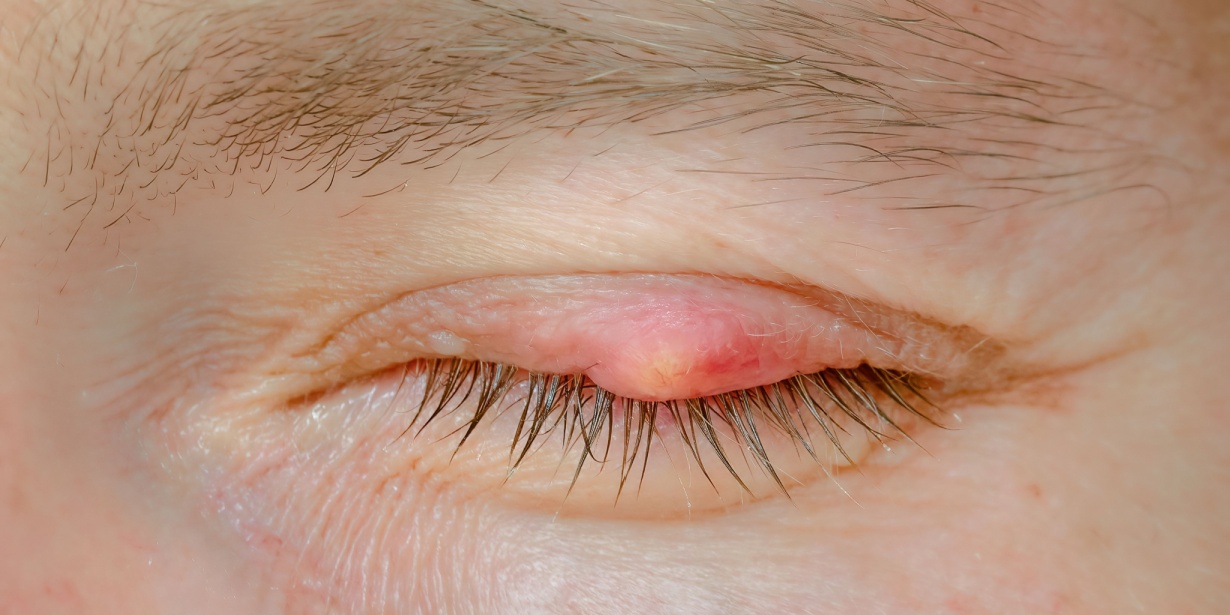
Eyelid cysts refer to the small bumps that can occur on one or both eyelids and are often filled with fluid. While most eyelid cysts are painless, they can cause eye conditions, such as inflammation, discomfort or vision problems if left untreated. They can be worrisome when they appear suddenly or increase in size. In this guide, we will discuss everything you need to know about eyelid cysts.
Types of eyelid cysts
The most common types of eyelid cysts include:
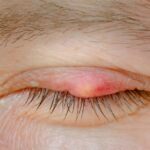
Chalazion
A chalazion is usually painless and forms when an oil gland is blocked. It feels like a firm lump and mostly appears deeper in the eyelid. A chalazion can take weeks to heal.
Stye
Although it is not a true cyst, it is often confused with one. A stye is a painful lump that occurs when an oil gland along the lash line gets infected. It can appear on either the inside or edge of the eyelid and usually takes a few days or a week to heal.
Sebaceous cyst
While a sebaceous cyst commonly occurs on other parts of the body, it can occasionally appear along the eyelid margin or its surface. It occurs because of blocked sebaceous glands and the build-up of sebum (oil produced by the sebaceous gland).
Inclusion cyst
An inclusion cyst appears because of the trapped skin cells after a minor eye trauma or eye surgery.
Causes of eyelid cysts
Some cysts on the eyelids are caused by a blocked oil gland, known as a meibomian gland. These tiny oil glands are found along the edges of your upper and lower eyelids. A meibomian gland produces oil, which mixes with your tears to form an oily layer. This keeps your eyes moist and prevents your tears from drying up. When trapped oil continues to accumulate in the blocked gland, it forms an eyelid cyst.
A cyst on the eyelid can also be associated with:
- Blepharitis (eyelid inflammation)
- Poor contact lens hygiene
- Rosacea (chronic skin inflammation)
- Seborrheic dermatitis (skin condition that causes red, itchy and flaky patches on the skin)
Symptoms of eyelid cysts
Eyelid cysts can have similar symptoms, including:
- Red and swollen eyelids
- Mild eye irritation
- Watery eyes
- Blurred vision in some cases due to a large cyst pressing against the eyeball
How can an eyelid cyst be treated?
While most eyelid cysts disappear on their own, some may require medical treatment for removal. Based on the symptoms and underlying cause of an eyelid cyst, your eye care specialist may recommend the following treatment options:
- Drainage: It’s a minor surgical procedure which involves numbing the area and making a small incision in the cyst to remove the built-up oil. According to the University Hospitals Coventry & Warwickshire, this procedure is performed under local anaesthesia and is usually well tolerated, with only mild discomfort.
- Steroid injections: A steroid injection may be considered to reduce inflammation and the size of the cyst.
- Warm compress: A treatment option for an eyelid cyst that can be carried out at home. Take a washcloth and soak it in warm water. Squeeze it to remove excess water and hold the washcloth against the eyelid cyst for about 10-15 minutes. Repeat the process several times a day.
- Good hygiene: Clean the area around the eyelid using a mild eyelid cleanser. Avoid touching or squeezing the area as it may worsen the cyst.
How to prevent cysts on the eyelid?
An eyelid cyst can’t always be prevented, the following measures may help reduce the risk:
- Always remove makeup before going to bed, as leaving it overnight may lead to blocked oil glands.
- Wash and dry your hands before and after touching your eyes.
- Replace your eyeliner and mascara, along with other eye cosmetics, every 3-6 months to avoid the risk of bacterial infection.
- Clean your reusable contact lenses with a contact lens solution every night as recommended by your optician.
- Do not wear contact lenses for more than the recommended hours.
- Cleanse your eyelids using suitable eyelid cleansing sprays, lotions or wipes.
Frequently Asked Questions
Can a cyst inside the eyelid go away on its own?
In most cases, an eyelid cyst may go away on its own. However, it may take several weeks.
How to get rid of a cyst on the eyelid?
It can be treated using warm compresses, steroid injection or drainage method, as recommended by your eye care specialist.
Is eyelid cyst removal painful?
Eyelid cyst removal is usually a well-tolerated procedure, as local anaesthesia is used to numb the area. However, the patient may feel mild discomfort or a stinging sensation.
Disclaimer: The advice in this article is for informational purposes only and does not replace medical care or an in-person check-up. Please check with an eye care professional before purchasing any products or remedies. For information on our article review process, please refer to our Editorial Policy.


Tina Patel is a qualified Contact Lens Optician at Feel Good Contacts with over 25 years of experience in the optical industry. She is a member of ABDO and registered with the GOC. Tina holds a BSc. (Hons) in Optical Management from Anglia Ruskin University and qualified as a Dispensing Optician in 2002. In 2007, she further specialised by completing advanced training in contact lenses, gaining her qualification as a Contact Lens Optician. She now shares her clinical expertise through teaching at City, University of London, guiding future opticians.