Our eyes are constantly exposed to bacteria, allergens and other irritants in the air. With proper hygiene and cleaning, the irritants causing eye inflammation, infections or severe eye infections stay at bay and help you maintain good eye health.
This guide will help you understand how to clean your eyes and follow a good eye care routine.
How to clean your eyes?
Follow the below optician-approved steps to easily clean your eyes.
- Start by blinking: Blinking helps stimulate tear production which can naturally flush out minor irritants such as dust or small particles from your eyes.
- Wash your hands: Make sure to wash and dry your hands thoroughly before touching your eyes. Wash using soap and warm water for at least 20 seconds.
- Use a cleanser and cotton pads/cotton buds: Gently wipe away makeup, dust or pollen from your face using a cleanser. Start from the inner corner of your eyes and wipe outwards.
- Avoid harsh soaps, cleansers or chemicals: Harsh chemicals can cause irritation and, in some cases, even damage the delicate skin around the eyes.
Removing irritants when wearing contact lenses
Wearing contact lenses can make your eyes more sensitive to dust, debris and other foreign particles. It becomes even more uncomfortable if dust is trapped under your lenses. If not removed properly, these irritants can lead to discomfort, damage or even eye infections. Follow these steps to safely remove irritants if you wear lenses:
- Remove your contact lenses immediately if you feel any discomfort or if something has entered your eye
- Rinse the affected eye using sterile saline solution or an eye wash (if available) to gently flush out the eye.
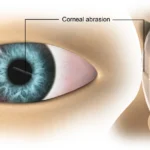
- Avoid rubbing your eyes as it can worsen irritation and may scratch the cornea
- If the irritation persists, apply a cool compress on the closed eyelids for a few minutes
- Use preservative free eye drops to flush out remaining particles and relieve irritation.
How to use eye drops?

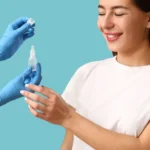
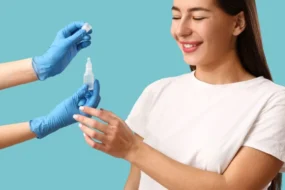
Eye drops can help relieve dry eyes, treat infections and relieve allergy symptoms. However, using them properly is important. Here’s how you should use them the right way:
If you experience eye strain, redness, irritation, pain or swelling after using eye drops, stop using them immediately and ask your optician for advice or speak a doctor without delay.
Frequently Asked Questions
How to safely remove something from your eye?
Most of the time, your eyes will deal with small bits of debris by themselves. Any dust or alien particle should come out naturally with the help of tears and blinking action from the eyelids. However, if you’re struggling to remove the debris, we recommend:
1. Blinking repeatedly to stimulate tears or use an eye wash
2. Not to rub the affected eye as it can scratch the cornea
3. If nothing’s working, seek medical advice promptly
Is tap water safe for your eyes?
No. Tap water is not safe for washing your eyes or eyelids, especially if you wear contact lenses as it can contain impurities and microorganisms that may lead to eye infections. You should ideally use a sterile saline solution for eye cleaning. If saline is not available, you may use cooled boiled/sterlised water as a safer alternative. Make sure to remove your contact lenses first.
In case of a chemical injury, immediately rinse the eye with copious amounts of tap water to flush out the chemical and seek medical attention right away.
Does lid cleaning help?
Yes, lid cleaning is an effective way to manage excess oil secretion that can lead to bacterial infections such as blepharitis. It helps remove bacteria and oils that form along the lash line.To clean your eyelids, you can use specially designed lid care wipes or a lid cleansing solution with cotton wool pads.


Tina Patel is a qualified Contact Lens Optician at Feel Good Contacts with over 25 years of experience in the optical industry. She is a member of ABDO and registered with the GOC. Tina holds a BSc. (Hons) in Optical Management from Anglia Ruskin University and qualified as a Dispensing Optician in 2002. In 2007, she further specialised by completing advanced training in contact lenses, gaining her qualification as a Contact Lens Optician. She now shares her clinical expertise through teaching at City, University of London, guiding future opticians.