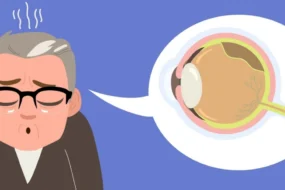
Wavy lines, dots, strings or cobweb-like small shapes moving across your vision are known as eye floaters. You may notice them while looking at a clear sky or a white background, such as a wall, desk, screen or piece of paper.
Eye floaters usually happen due to age-related changes in the vitreous body (the clear jelly-like substance in your eyes), causing collagen breakdown and strand formation. These strands cast shadows on your retina; these shadows are called floaters. Let’s learn about the causes of eye floaters, their symptoms and available treatment options in this guide.
What Causes Floaters in the Eye?
The change in your eye’s vitreous body is said to be the main cause of eye floaters, which can occur because of ageing or other underlying conditions, such as:
- Retinal detachment: When the retina (the eye’s light-sensitive layer) separates or tears from the back of the eye.
- Posterior Vitreous Detachment (PVD): When the vitreous body detaches from the retina.
- Severe nearsightedness (Myopia): The chances of seeing floaters increase with myopia.
- Eye injuries or trauma: Sudden eye injuries, uveitis (eye inflammation) and certain eye surgeries can also lead to eye floaters.
Symptoms of Eye Floaters
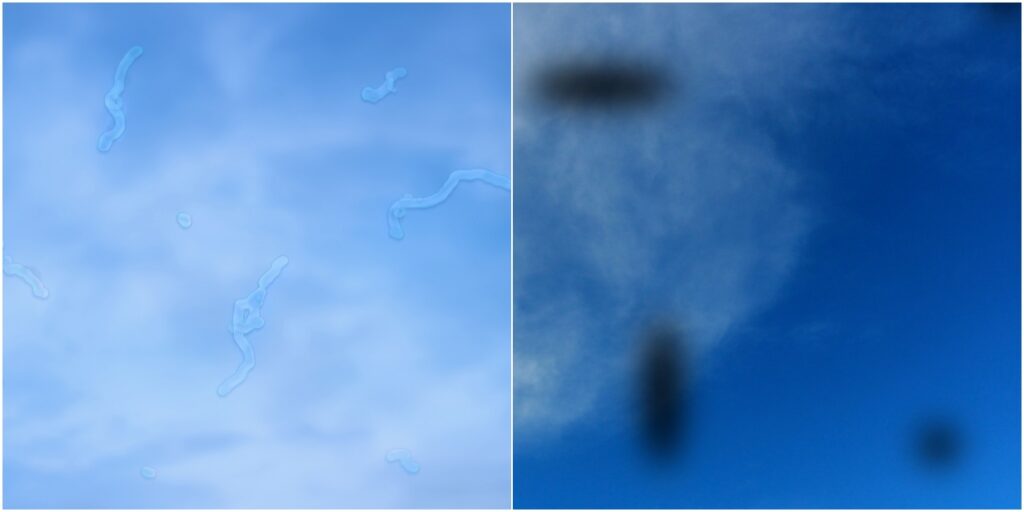
The most common symptoms of eye floaters are seeing small black or grey lines or spots moving in your vision field. However, when you move your eyes fast, they may not be noticeable or tend to go away.
Here are the types of eye floaters you may see when looking at a clear sky.
Treatment Options for Eye Floaters
According to the NHS, seeing spots in vision is usually harmless. However, if they impact your vision, your eye care professional may recommend the following treatment options:
1. Laser treatment: A special laser is used to break down the floaters, making them less noticeable.
2. Vitrectomy: Involves a surgical procedure for removing the vitreous along with the floating substances and replacing them with a saline solution.
How to Reduce the Risk of Eye Floaters?
Follow these common tips to reduce the risk of eye floaters:
- As floaters in the eyes can also be caused by diabetic retinopathy, eating a balanced diet can help prevent them. Including fruits, leafy greens and omega-3 fatty acids is a great step for controlling blood sugar levels in your body.
- Go for regular eye checkups to rule out any early signs or symptoms, at least once every two years for adults.
- Consider wearing protective eyewear when doing activities that could create or increase the risk of eye injuries.
Frequently Asked Questions
Are black floaters in vision normal?
Usually, black floaters in your vision are harmless. However, if they disrupt your vision, you should consult with your eye doctor immediately.
How long do floaters stay in the eye?
Usually, eye floaters stay only for a short time. They might appear while looking at a clear sky or any clear background and go away when you move your eyes. However, some floaters could be age-related and may stay for a long time or never go away.
Can eye floaters go away on their own?
While in most cases, they can come and go on their own, in some cases, they do not fade away naturally and need medical intervention to be removed.
Disclaimer: The advice in this article is for informational purposes only and does not replace medical care or an in-person check-up. Please check with an eye care professional before purchasing any products or remedies. For information on our article review process, please refer to our Editorial Policy.


Khuram Sarwar is a qualified Dispensing Optician at Feel Good Contacts. He holds over 14 years of experience in the optical industry. Registered with the General Optical Council (GOC), Mr. Sarwar is also a member of the Association of British Dispensing Opticians (ABDO). He completed his training at ABDO College before achieving a BSc (Hons) in Ophthalmic Dispensing from Canterbury Christ Church University. In his professional career, Khuram has worked with some of the industry’s leading experts and continues to offer practical, expert advice on both contact lenses and glasses.