Heterochromia is a rare eye condition found in less than 1% of the human population. The condition causes different coloured eyes, making the colour of one iris look different from the other or certain parts of an iris different from the rest. For instance, you might have one brown eye and one blue or hazel eye or any other colour or a certain part of your iris is brown while the rest is grey.
Types of Heterochromia
Heterochromia can be categorised based on how and where they appear on the iris and by its causes.
Types of heterochromia based on the position of the coloured mark in the iris
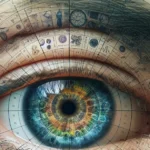
Central Heterochromia: People with this condition have a different colour around the inner edge of their iris, while the rest of the iris features a separate colour. It often looks like spikes extending outwards.

Sectoral Heterochromia: This condition is also known as partial heterochromia, in which one section of the iris in one eye features a separate colour from the rest and that of the other eye. This can appear in any part of the iris.

Complete Heterochromia (heterochromia iridum): Complete heterochromia is when your one eye’s iris colour is completely different from the other eye. In simple terms, you have two eye colours.

Types of Heterochromia Based on Causes
Congenital heterochromia: This condition is present at birth and is caused by mutations in genes. These mutations interfere with melanin pigmentation in the iris. The amount of melanin present in your iris is responsible for deciding your eye’s colour, for instance, dark brown, blue or green.
It’s rare, but congenital heterochromia can be caused by medical conditions, including:
- Bourneville disease: Known as Tuberous sclerosis (TS), this is a rare genetic condition in which non-cancerous tumours (benign) develop in the eyes, brain, lungs, kidneys and heart.
- Bloch-Sulzberger syndrome: A rare disorder that starts in childhood, the symptoms include skin, eye, dental and nervous system abnormalities.
- Hirschsprung disease: This condition causes the absence of nerve cells in babies’ large intestines, which blocks bowel movement in them.
- Horner’s syndrome: A rare neurological syndrome that affects one side of the face, including the eye and surrounding tissues.
- Parry-Romberg syndrome: A disorder that causes facial changes, affecting the skin, soft tissues and in some cases, bone.
- Piebaldism: A rare genetic disorder that causes patchy white skin and white hair.
- Sturge-Weber syndrome: A rare condition characterised by an inherited facial birthmark and neurological abnormalities.
- Von Recklinghausen disease: This hereditary disorder causes pigment changes and the development of tumours on the eyes, skin and nerve tissues.
- Waardenburg syndrome: A genetic disorder affecting the colour of hair, skin and eyes.
Acquired heterochromia: When someone develops this condition later in life due to outside factors, it is called acquired heterochromia. It is caused by:
- Eye injury
- Glaucoma
- Eye cancer
- Neuroblastoma
- Certain medicines
Heterochromia Treatment
Congenital heterochromia is harmless and doesn’t need any treatment as such. However, if it occurs later in life for other reasons, it needs to be assessed by an optician first to ensure further treatment. You may undergo a comprehensive eye assessment to rule out any abnormalities. Based on the results of your eye assessment, your optician may refer you to a hospital for further examination. There, they may review your medical history and carry out additional tests, such as blood test and genetic testing if required.
Famous Celebrities With Different Coloured Eyes
Some of the famous people with heterochromia eyes are:
- Benedict Cumberbatch
- Henry Cavill
- Max Scherzer
- Mila Kunis
- Simon Pegg
- Christopher Walken
- Elizabeth Berkley
- Kate Bosworth
- Alice Eve
Frequently Asked Questions
How Rare is Heterochromia?
This condition is rare in humans, affecting fewer than 1% of people worldwide.
Does Heterochromia Affect Vision?
No, in most cases, heterochromia doesn’t affect vision. However, if the condition is acquired due to eye injury, inflammation or glaucoma, it may cause vision problems.
Disclaimer: The advice in this article is for informational purposes only and does not replace medical care or an in-person check-up. Please check with an eyecare professional before purchasing any products or remedies. For information on our article review process, please refer to our Editorial Policy.


Khuram Sarwar is a qualified Dispensing Optician at Feel Good Contacts. He holds over 14 years of experience in the optical industry. Registered with the General Optical Council (GOC), Mr. Sarwar is also a member of the Association of British Dispensing Opticians (ABDO). He completed his training at ABDO College before achieving a BSc (Hons) in Ophthalmic Dispensing from Canterbury Christ Church University. In his professional career, Khuram has worked with some of the industry’s leading experts and continues to offer practical, expert advice on both contact lenses and glasses.