Vascular Endothelial Growth Factor (VEGF) is a protein that stimulates the growth of new blood vessels. It’s essential for normal healing. However, in certain situations, VEGF can cause abnormal growth of blood vessels. It can damage the retina, as the formation of new fibrovascular tissue may cause contraction, retinal detachment or haemorrhage, resulting in vision loss.
Anti-VEGF is a targeted medication that binds and inhibits VEGF and helps manage certain eye conditions. Learn more about the treatment, eye conditions it controls, its advantages, side effects and FAQs.
What is anti-VEGF?
Age-related macular degeneration, diabetic macular oedema and retinal vein occlusion are some eye conditions that may cause abnormal neovascularisation (growth of new blood vessels in the eyes).
Anti-VEGF treatment slows the growth and leakage of these blood vessels into the retina. The treatment involves anti-VEGF eye injections to help prevent further vision loss.
Eye conditions treated with anti-VEGF
Anti‑VEGF injections are used for managing conditions such as:
- Age-related macular degeneration
- Macular oedema caused by retinal vein occlusion
- Diabetic macular oedema
- Myopic choroidal neovascularisation
These treatments aim to stabilise and sometimes improve vision by reducing abnormal blood vessel function and growth.
How anti-VEGF treatment works
Here is how the treatment works:
- Before the injection, the eye is sterilised and numbed. An eyelid speculum may be used to keep the eye open.
- The medicine is then injected directly through the sclera (white part of the eye) into the vitreous humour (jelly-like substance that gives the eyes their round shape).
- The entire procedure only takes a few seconds and the pain is minimal. Most individuals do not even see the needle entering the eye.
Follow-up injections are usually scheduled every 4-6 weeks, depending on the eye’s response. Monitoring involves regular vision tests and retinal scans to tailor the treatment plan for optimal results.
Benefits and effectiveness
Anti-VEGF treatment offers the following benefits:
- Prevention of severe sight loss for most patients, where permanent damage to vision has not already occurred
- Minimally invasive procedure suitable for repeated outpatient treatment
- Versatile and effective for managing multiple retinal disorders
- Significant improvement in vision including: Improved visual clarity (including better acuity & contrast sensitivity) and reduced visual distortion
Side effects and risks
It’s common to experience some side effects after an anti-VEGF injection such as:
- Mild eye pain or discomfort – It’s normal once the anaesthesia wears off & can be managed with over-the-counter pain relief medications
- Subconjunctival haemorrhage (small red spot on the whites of the eye) – It occurs at the injection site and usually clears within a week
- A few black spots or floaters in your vision – They should disappear within a few days
- A dry or gritty sensation – Lubricating eye drops can help and may be used as directed by your doctor
Please note that you should:
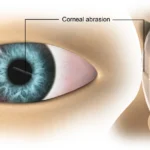
- Avoid rubbing or touching your eyes. It can cause scratches (abrasion) especially after the injection.
- Avoid swimming or wearing contact lenses for at least 2 days after your injection.
- Avoid getting water, shampoo or soap in your eyes.
When to see a specialist?
You should immediately seek medical advice if you experience:
- Severe and persistent pain
- Distortion or changes in vision
- Constant floaters in your eyesight
- A curtain or veil effect in your vision
- Redness or stickiness in eyes
Frequently Asked Questions
What does anti-VEGF treatment do for the eyes?
It helps prevent vision loss in certain eye conditions. It stops the formation of excessive vessel growth and limits the fluid leakage in the retina.
Is anti-VEGF treatment painful?
Anti-VEGF eye injections are generally not very painful. The eye is numbed with anaesthetic drops before the injection. This helps minimise the pain. If you still experience pain, seek medical attention.
Can anti-VEGF treatment restore lost vision?
Anti-VEGF treatment can effectively slow or stop the progression of vision loss. It may improve vision in some cases. However, it cannot fully restore vision that has already been lost.


Dr Alastair Lockwood is an experienced ophthalmologist and eye health advisor. The major focus of his career is on preventing sight loss caused by glaucoma and other serious eye conditions. Along with undergraduate training at Cambridge University and clinical training at Oxford University, Alastair has also completed an MRC-funded PhD at the UCL Institute of Ophthalmology and Moorfields Eye Hospital. Dr. Alastair combines surgical expertise with a passion for research, regularly advising his patients on various eye care concerns and prescribing dry eye treatments and eye care products.