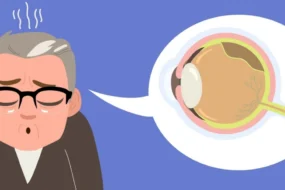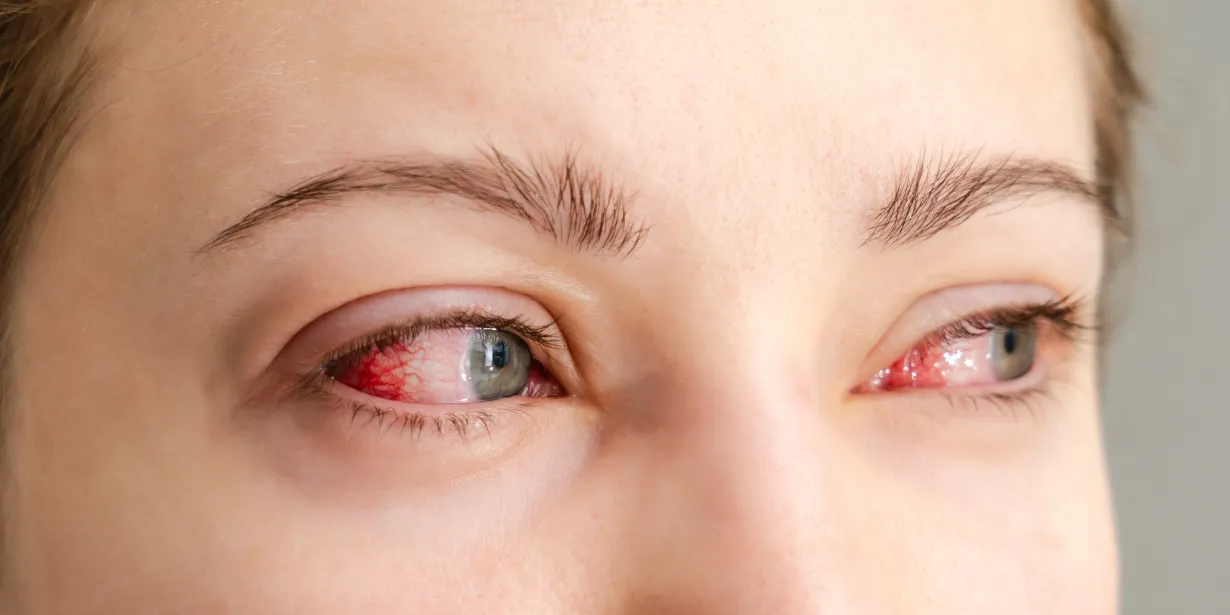
Bloodshot eyes, also known as red eyes, happen when tiny blood vessels on the surface of the eye become enlarged, making the sclera, the white outer layer of the eye, appear red or pink. The clinical term for a bloodshot eye is conjunctival injection. This may affect one or both eyes and is usually temporary in most cases. However, if the redness persists or affects your vision, it can be a sign of a more serious underlying health issue. Read on to learn more about the causes of bloodshot eyes, symptoms, treatments and when to see a doctor.
What Are the Causes of Bloodshot Eyes?
Red or bloodshot eyes can result from several causes and be associated with some of the following factors:
- Allergies – Allergens like pollen, dust and animal dander can cause red or bloodshot eyes
- Environmental irritants – exposure to smoke, air pollutants and some chemicals such as chlorine in swimming pools or detergents
- Conjunctivitis (Pink eye) – inflammation of the conjunctiva can cause redness, discharge, itching and a gritty feeling in the eyes
- Subconjunctival haemorrhage – when a blood vessel bursts in the eye, the blood collects under the conjunctiva and appears as a bloodshot eye
- Dry eyes – Dry eyes happen when the eyes don’t make enough tears, or the tears dry too quickly. It can cause irritation, discomfort or redness
- Lack of sleep – Fatigue or lack of sleep can reduce the oxygen supply to the eyes, making them appear red
- Dehydration – It can reduce tear production, leading to dry eyes, blurry vision or even redness in the eyes
- Contact lenses – Poor contact lens hygiene, dry or torn lenses can cause irritation, infection and red eyes
- Glaucoma – Caused by a rise in intraocular pressure (IOP), glaucoma can cause eye pain, red eye, headache and nausea
- Uveitis – It is an inflammation of the eye’s middle layer (uvea), causing pain, redness, light sensitivity and blurry vision
- Keratitis – An inflammation of the cornea, often caused by infection or injury. It can cause pain, redness and sensitivity to light
- Eye injuries – Injuries to the surface of the eye can lead to redness, pain and sensitivity to light
Symptoms of Bloodshot Eyes
Symptoms that can be combined with bloodshot eyes include-
- Redness
- Pain in the eye
- Itching
- Swelling in the eyelid
- A gritty sensation in the eye
- Watery eyes
- Headaches
- Blurry vision
How to Treat Bloodshot Eyes?
In most cases, red eyes clear up on their own without any treatment. However, depending on the underlying cause, your doctor may suggest:
- Artificial tears – These can mimic your natural tears and soothe dry and irritated eyes
- Over the counter medication – The use of antihistamines and decongestants can help reduce eye redness related to an allergic response
- Cold or warm compress – Cold compress can be used to reduce redness and puffiness. Warm compress can be used for dry eyes and for blocked glands on the eyelid
- Maintain good hygiene – Good hygiene can prevent infections that cause redness. Wash your hands regularly and avoid touching your eyes if your hands are dirty. Avoiding makeup or cosmetics near the eyes can prevent further irritation
- Avoid smoking – It can expose the eyes to toxic chemicals and even destroy the tear film. It may lead to severe dryness, inflammation and redness
- Use humidifiers – If you live in a dry environment, use a humidifier to add moisture to the air. This prevents your eyes from drying out and appearing red
When to See a Doctor
One should seek professional medical assistance immediately if:
- Symptoms like headaches, blurry vision, sensitivity to light or nausea
- There has been a recent eye injury
- The eye looks very red and feels painful
These symptoms may indicate a more serious condition that needs immediate medical attention.
Frequently Asked Questions
1. Is it safe to wear contact lenses with a bloodshot eye?
No, it is not recommended. Please avoid wearing contact lenses if your eye is red or bloodshot. The lenses can trap irritants and bacteria in the eye and may also potentially worsen the condition or lead to a more serious infection.
2. What causes one eye to become red?
It may be caused by irritation, infection, injury or a burst blood vessel. If it is very painful, seek immediate medical attention.
3. Are eye drops safe for bloodshot eyes?
Lubricating eye drops, such as artificial tears, are generally safe for soothing a bloodshot eye. However, seek medical advice if symptoms persist.
4. Can lack of sleep cause red or bloodshot eyes?
Yes, lack of sleep can cause your eyes to appear red. This happens because the blood vessels in the sclera dilate and become more visible due to the decrease in oxygen supply to the eye.
Disclaimer: The advice in this article is for informational purposes only and does not replace medical care or an in-person check-up. Please check with an eye care professional before purchasing any products or remedies. For information on our article review process, please refer to our Editorial Policy.


Having graduated from City and Islington College in 2016, Krina Halai is a certified Dispensing Optician working with Feel Good Contacts. With 13 years of experience in the optical field, she has worked in multiple practices, including Boots and Specsavers, performed paediatric dispensing, supervised and trained future optical professionals and triaged patients for numerous spectacle fittings, repairs and adjustments. She has also taken an online course on myopia control and helped many children prevent their myopia from progressing.